
Martina Peer
Content Strategy and Product Systems
I’m a senior content designer, building on language and systems to create impact.
I drive alignment around what belongs in an experience and what does not, especially where ambiguity slows decisions and scale amplifies mistakes.
My work centers on structure, governance and measurable outcomes. I design within boundaries, tradeoffs and tricky requirements.
Work | Projects

Content experiment 6x projected MAU – META CASE STUDY
Signal widening | Trust calibration | Growth

AI-supported string descriptions – META CASE STUDY
Generative AI | Content governance for AI | Prompt architecture | Hackathon
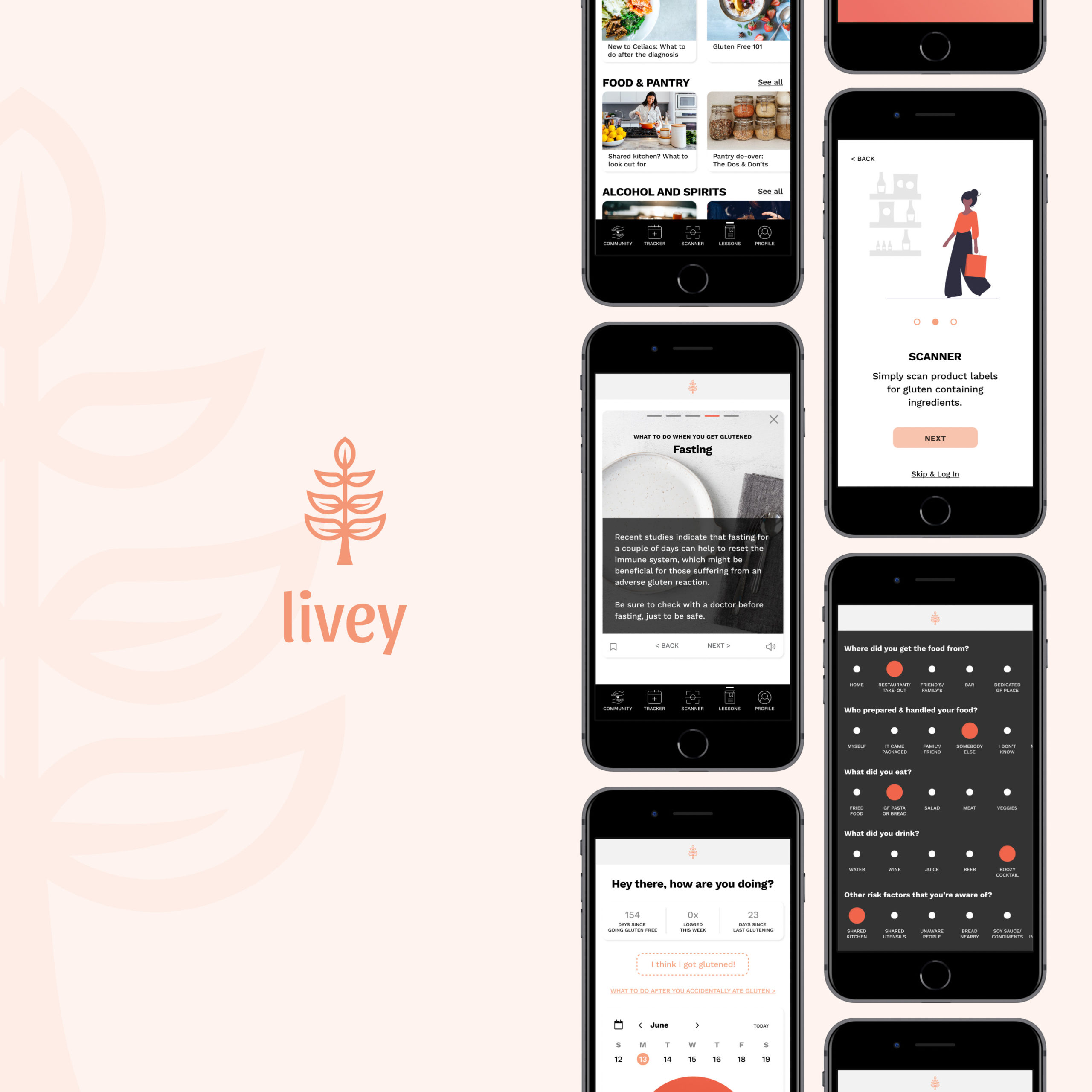
Livey – Giving People With Celiac Disease The Necessary Tools To Thrive
0–1 | UX Research | Story mapping | Contextual content alignment | Decision support
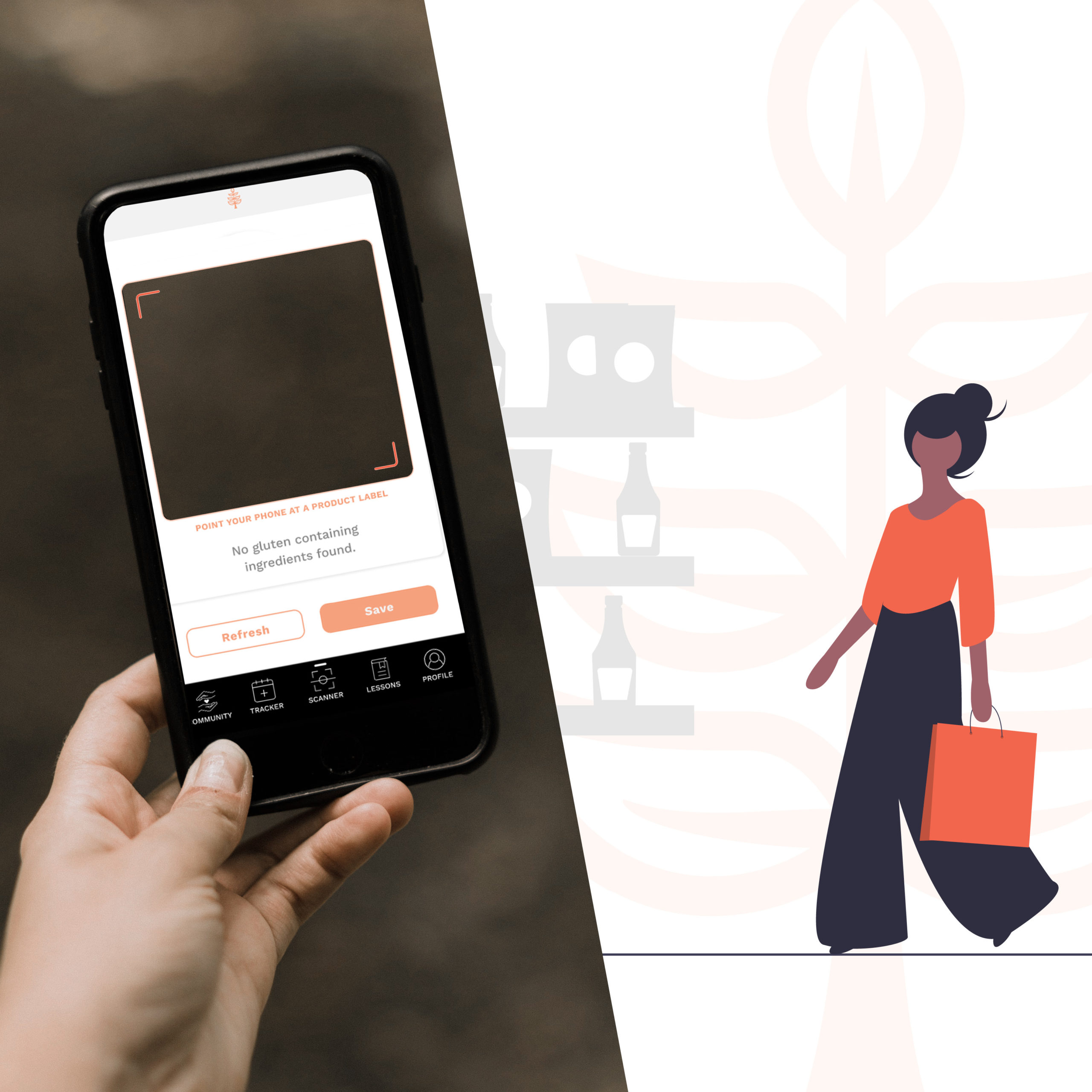
Livey SCANNER – CONTENT CASE STUDY
Content systems thinking | Pattern alignment | UX audit and refinement
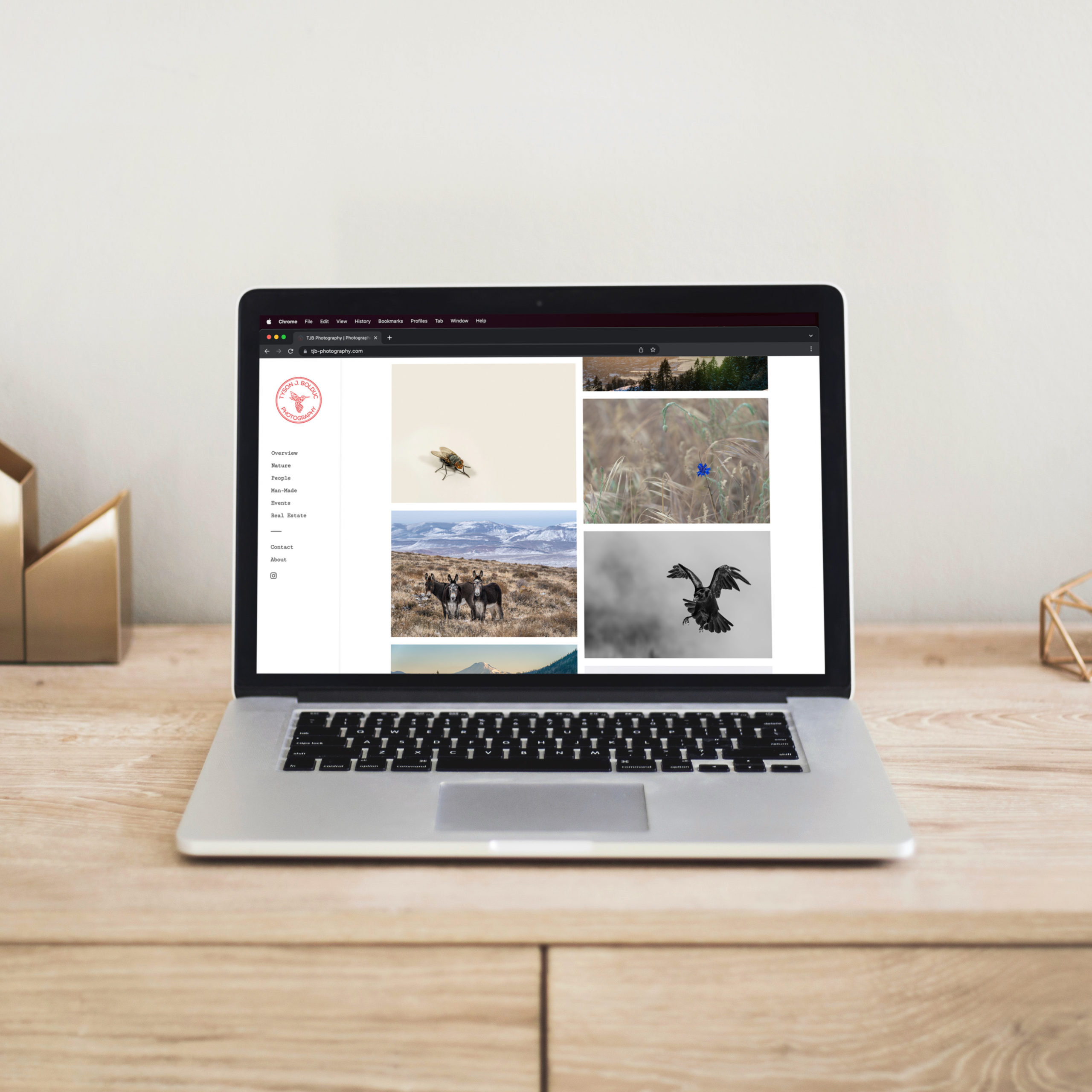
TJB Photography – website / Show case
UI/UX design | Branding and identity
years of product, design, marketing, branding
years curating content within systems
industries (social media, insurance, health, e‑com)
languages
interest in drama

About me
I work in content design, though I slid into the field a bit sideways. My background is in graphic design and branding, where I was already doing a lot of writing, UX research, information architecture and even a bit of coding.
Because of that, I tend to look at language the way a designer looks at structure – where something sits, what it connects to, and how it behaves inside a system.
English is actually my second language, which probably explains why I notice things most people gloss over: idioms, regional phrasing, and the way meaning subtly shifts depending on who’s speaking and where.
Once you hear how non-native English speakers use language, you realize it’s all constructed and we tend to default to our native patterns.
That mindset stuck with me, and it shapes how I approach and design content for complex products. I get energy from working within teams that make technology work for people, not the other way around. That includes AI.
I naturally notice patterns in how people behave and how systems break down. The interesting problems, to me, usually aren’t about adding more – they’re about figuring out what can be simplified or left out.
Outside of work, I’m pretty low key. I cook, spend time on a road bike when I can, and listen to a lot of audiobooks.
Martina Peer at Johnny Mustang
Designing technology that works for people, not the other way around.